
Description
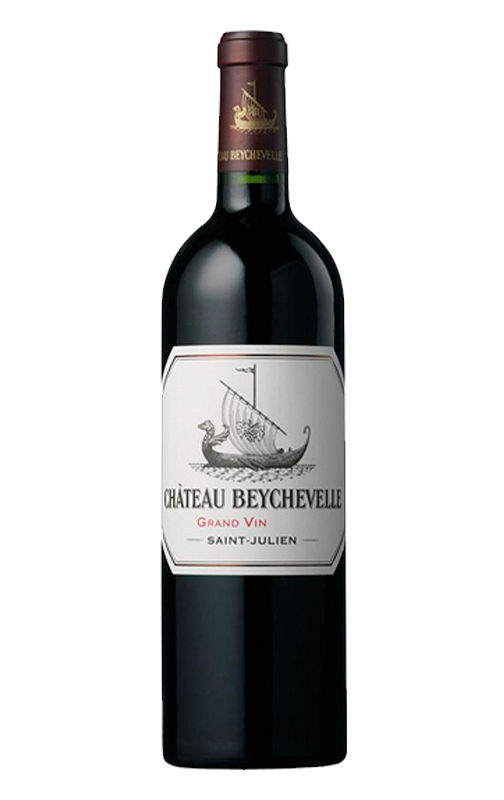
Le mélange des quatre cépages classiques de Bordeaux est à l'honneur dans ce vin rouge élégant qui, dans ce millésime, se caractérise par son harmonie et sa concentration. Le Château Beychevelle assure que, grâce à sa qualité et à son grand équilibre, il viendra s'ajouter à la liste des millésimes véritablement exceptionnels de la maison.
Fiche technique
Dégustation
Vignoble et élaboration
L'avis des experts
The flagship 2018 Château Beychevelle is a more serious, concentrated, focused wine that still has that classic Saint-Julien purity of fruit as well as a wealth of fruit. Gorgeous notes of crème de cassis, chocolate-covered blueberries, violets, spring flowers, tobacco leaf, and cedar notes all emerge from the glass, and it's medium to full-bodied, with sweet tannins, moderate acidity, and a great, great finish. A blend of 50% Cabernet Sauvignon, 41% Merlot, and the rest Petit Verdot and Cabernet Franc, it's one of the sexiest, most up-front and irresistible wines in the vintage. Don't let that scare you, though; it's going to drink beautifully for 2-3 decades.
Aged for around 18 months in barrel, 60% new and 40% second fill, the 2018 Beychevelle needs a fair bit of swirling to release classic notes of cassis, plum preserves and ripe blackberries, with emerging suggestions of unsmoked cigars, tilled soil and cedar chest, plus a waft of pencil lead. The medium to full-bodied palate is still very tightly wound, offering finely packed black fruit and earthy layers within a frame of firm, grainy tannins and just enough freshness, finishing long and mineral laced. This will need a good 5-6 years to come around and then will drink beautifully over the next 20+ years.
Currants and blackberries with crushed stone and fresh herbs. Some flower stem, too. It’s full-bodied, yet tight and linear with firm, driven tannins. This needs four or five years of bottle age to open and come together. Try after 2025.
There is attractive tension in this wine between the dry tannins and opulently ripe black fruits. That sets the wine on a course of long-term aging. Bold, dense fruits are matched by the dry core. The wine will take time. Drink from 2027. Roger Voss.
Gorgeously brushed tannins with a smoked oak nose. This is excellent, firm and bright, layered and nuanced, gently inviting you in, with plenty of promise of life ahead. Has some austerity and although this is not in 2016 territory of 360-degree expansion, it is highly successful. A yield of 55hl/ha, with 50% of production going into the grand vin. 60% new oak.

Château Beychevelle est un cru classé appartenant à la famille Castel et auparavant à Jean-Louis Nogaret de la Valette, le grand Amiral de France.





Millésimes: 2025 2024 2023 2018
Nos membres n’ont pas encore laissé de commentaires pour ce millésime. Cliquez sur les millésimes précédents pour accéder aux commentaires.
Nos membres n’ont pas encore laissé de commentaires pour ce millésime. Cliquez sur les millésimes précédents pour accéder aux commentaires.
Nos membres n’ont pas encore laissé de commentaires pour ce millésime. Cliquez sur les millésimes précédents pour accéder aux commentaires.
Nos membres n’ont pas encore laissé de commentaires pour ce millésime. Cliquez sur les millésimes précédents pour accéder aux commentaires.