

 Écologique
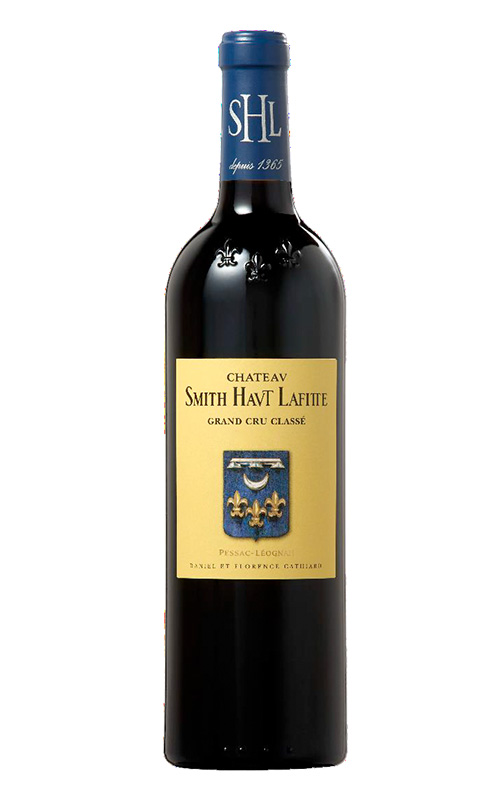
Château Smith Haut Lafitte 2023
Description
Une icône bordelaise provenant de l'un des châteaux les plus importants de la région et de toute la France. Mûr, puissant, concentré, avec une densité pure et un style majestueux enveloppé de fruits noirs parfumés, de notes de graphite et de fleurs, il redevient l'un des grands atouts de Pessac-Léognan.
Fiche technique

Dégustation
Vignoble et élaboration
L'avis des experts
This shows currant, tobacco and hazelnut aromas that follow through to a medium body with crunchy character and open-grain tannins that are velvety and so attractive. Graceful, friendly, crunchy and beautiful. The highest percentage ever of cabernet sauvignon in this wine. 70% cabernet sauvignon, 23% merlot, 6% cabernet franc and 1% petit verdot. From biodynamically grown grapes. Best after 2028.
95-97. Barrel Sample. With a much higher percentage of Cabernet Sauvignon than usual, because of problems with Merlot during the growing season, this is a rich wine with spice and dark-fruit aromas. It has a ripe character with swathes of pure black fruits. The wine is structured with a fine potential.
Confirming the impression it conveyed en primeur, the 2023 Smith Haut Lafitte is a superb effort, offering aromas of licorice, spices, dark berries, rose petals and clove. Medium- to full-bodied, dense and architecturally structured, it is built around a fleshy, concentrated core of fruit, supported by abundant, seamlessly integrated tannins, culminating in a long, mineral and penetrating finish. The decision to extend macerations—favoring gentle, prolonged extraction over short, forceful cuvaison—has endowed the wine with both textural refinement and the structural reserves to reward long cellaring.

Le domaine tire son nom de l'Écossais George Smith, qui a acheté la propriété au XVIIIe siècle.  





Millésimes: 2025 2024 2023 2022
Nos membres n’ont pas encore laissé de commentaires pour ce millésime. Cliquez sur les millésimes précédents pour accéder aux commentaires.
Nos membres n’ont pas encore laissé de commentaires pour ce millésime. Cliquez sur les millésimes précédents pour accéder aux commentaires.
Nos membres n’ont pas encore laissé de commentaires pour ce millésime. Cliquez sur les millésimes précédents pour accéder aux commentaires.
Nos membres n’ont pas encore laissé de commentaires pour ce millésime. Cliquez sur les millésimes précédents pour accéder aux commentaires.